AHVAP Evidence-Based Practice Virtual Fellowship Program
Are you looking to take your professional healthcare knowledge about evidence-based practice to new heights and complete a rigorous Fellowship Program in Evidence-Based Practice? AHVAP is pleased to offer a comprehensive, practical, and intentionally curated Virtual Fellowship that can completed in six months.
Program-Level Learning Objectives
Upon successful completion of the AHVAP Advanced Practice Fellowship, graduates will be able to:
- Integrate patient safety science principles including high reliability, human factors, and Just Culture into every phase of the value analysis lifecycle.
- Apply healthcare quality improvement methodologies (including Lean, Six Sigma, PDSA, and model-for-improvement frameworks) to product, process, and practice-pattern decisions.
- Evaluate products, technologies, and clinical processes using enterprise risk management frameworks that account for clinical, operational, regulatory, and reputational risk.
- Incorporate evidence-based infection prevention and control principles into product selection, reprocessing, and standardization decisions in collaboration with IP&C partners.
- Lead complex, multi-stakeholder change initiatives using recognized change management models (Kotter, ADKAR, Prosci) and sophisticated physician and nurse engagement strategies.
- Synthesize clinical, operational, quality, safety, and financial data into evidence-based recommendations that align with value-based care imperatives.
- Influence system-level strategy by translating value analysis findings into language and metrics that resonate with C-suite, clinical, and governance audiences.
- Design and defend a capstone value analysis initiative that integrates all five fellowship domains and demonstrates measurable clinical impact.
- Mentor emerging value analysis professionals and contribute to the maturation of the profession through publication, presentation, or organizational leadership.
Target Audience
The fellowship is designed for a specific, self-selecting cohort of experienced professionals. The prerequisite of active CVAHP board certification ensures all fellows enter with a shared foundational competency.
Primary Audiences
- Experienced CVAHP board certified professionals seeking advanced practice training. Practitioners with three or more years post-certification who want a recognized credential that signals clinical-strategic leadership utilizing multiple modalities of critical thinking.
- Value analysis managers and directors preparing for senior leadership. Professionals on a trajectory to senior director, executive director, or vice president of value analysis, clinical resource management, or supply chain.
- Clinical value analysis professionals transitioning into enterprise strategy. Nurse and physician value analysis leaders whose scope is expanding into system-level standardization, clinical variation reduction, or high-cost technology assessment.
- System-level value analysis leaders. Those leading multi-facility or IDN-wide programs where patient safety, quality, and change management are day-to-day responsibilities.
- Industry Partners. Industry Partners seeking to provide comprehensive solutions to their customers utilizing a patient-first approach to solution creation, while applying evidence-based practices independent of products.
- Value analysis consultants and advisors. Independent consultants and advisory-services leaders who need deeper clinical credibility with hospital and health-system clients.
- GPO and supplier clinical liaisons with CVAHP board certification. Industry-side clinically oriented professionals who partner with health systems on value analysis and want to elevate the sophistication of that partnership.
- Physician and nurse leaders credentialed with CVAHP board certification. Clinicians whose roles have expanded into value analysis and who want formal preparation for the quality, safety, and risk dimensions of that work.
Secondary Audiences
- Value analysis consultants and advisors. Independent consultants and advisory-services leaders who need deeper clinical credibility with hospital and health-system clients.
- GPO and supplier clinical liaisons with CVAHP board certification. Industry-side clinically oriented professionals who partner with health systems on value analysis and want to elevate the sophistication of that partnership.
- Physician and nurse leaders credentialed with CVAHP board certification. Clinicians whose roles have expanded into value analysis and who want formal preparation for the quality, safety, and risk dimensions of that work.
Detailed Program Outline
The curriculum is organized into six monthly modules. Each month features one two-hour live virtual session, supporting readings, an applied assignment grounded in the fellow’s own organization, a peer-discussion deliverable, and progressive capstone work. The six content domains are sequenced to build on each other, with the final month dedicated to integration and capstone defense.
Month 1-Patient Safety Science for Value Analysis Leaders
Focus. Build a working command of modern patient safety science and locate value analysis within it.
Live session topics:
- Just Culture, second-victim considerations, and safety event taxonomy
- Failure Mode and Effects Analysis (FMEA) and Root Cause Analysis (RCA) as value analysis tools
- Linking product and practice decisions to hospital-acquired conditions (HACs) and Never Events
Applied homework:
- Conduct a prospective FMEA on a product or process currently under review at the fellow’s organization
- Case-study analysis of a publicly reported safety event driven by a product or supply decision
- Initial capstone problem-statement draft
Month 2-Healthcare Quality Improvement and Value-Based Outcomes
Focus. Apply formal quality improvement methodology to value analysis and link decisions to value-based care performance.
Live session topics:
- The IHI Quintuple Aim and its implications for value analysis priorities
- Lean, Six Sigma, PDSA, and the Model for Improvement — when to use which
- Clinical outcomes measurement: structure, process, outcome, and balancing measures
- CMS quality programs, star ratings, HCAHPS, and publicly reported measures relevant to supply and technology
- Building value analysis business cases that speak the language of value-based care
Applied homework:
- Design a measurement plan (including outcome, process, and balancing measures) for a current value analysis initiative
- Map a product decision to its impact on one or more publicly reported quality measures
- Capstone aim statement and driver diagram draft
Month 3-Healthcare Risk Management
Focus. Apply enterprise risk management thinking to value analysis decisions.
Live session topics:
- Enterprise risk management (ERM) frameworks and the eight risk domains (ASHRM)
- Clinical, operational, regulatory, financial, strategic, human capital, legal, and technology risk
- FDA recalls, field safety notices, and recall management workflow
- Product liability, informed consent, and documentation considerations in standardization decisions
- Risk-adjusted value analysis scoring and decision frameworks
Applied homework:
- Construct a risk heat map for an active or recent product evaluation
- Tabletop exercise: lead a simulated Class I recall response from the value analysis seat
- Capstone risk analysis and mitigation strategy
Month 4-Infection Prevention and Control
Focus. Build fluency in infection prevention science so that value analysis decisions strengthen — never undermine — HAI reduction.
Live session topics:
- Epidemiology of hospital-acquired infections: CLABSI, CAUTI, SSI, VAE, CDI, MDROs
- CDC, APIC, and SHEA evidence-based guidelines relevant to product selection
- Skin antisepsis, vascular access, urinary catheter, surgical site, and environmental disinfection product categories
- Reprocessing, sterilization, and single-use versus reusable device decisions
- Partnering with infection prevention in outbreak-driven and emerging-pathogen value analysis
Applied homework:
- Evidence review and value analysis recommendation on a designated IP-sensitive product category
- Cross-functional stakeholder map for an IP-driven standardization decision
- Capstone infection prevention implications analysis
Month 5-High Reliability Organizations and Human-Factors Engineering
Focus. Master the leadership competencies required to move a low reliability, non-intentionally functioning system to a highly-reliable, intentionally designed architecture to product consistent, safe, and efficacious outcomes.
Live session topics:
- High reliability organization (HRO) principles and their implications for supply and technology decisions
- Human factors engineering, usability, and its role in product evaluation
Month 6-Change Management and Strategic Influence
Focus: Master the leadership competencies required to move a complex system from decision to durable adoption.
Live session topics:
- Core change management models: Kotter’s 8 Steps, ADKAR, and Prosci
- Physician engagement: evidence, autonomy, and peer-influence strategies
- Nursing engagement, shared governance, and frontline adoption
- Influence without authority, coalition building, and negotiation across silos
- Executive communication: presenting value analysis findings to the C-suite and board
Applied homework:
- Develop a full change management and communication plan for an active initiative
- Record and submit a mock executive briefing on a value analysis recommendation
- Capstone implementation and adoption plan
Integration and Capstone Defense
Focus: Integrate all six domains into a defended capstone and prepare graduates to lead on return to their organizations.
Live session topics:
- Integrating safety, quality, risk, infection prevention, high reliability/human factors-engineering, and change management into a single value analysis decision
- Capstone project presentations and structured faculty and peer feedback
- Professional pathway: publication, conference presentation, mentorship, and continued AHVAP engagement
- Graduation
Applied homework:
- Final capstone deliverable: written brief plus recorded executive-level defense
- Personal leadership development plan for the 12 months following graduation
Faculty Composition
The program is taught by experienced and board certified practitioners with the following credentials:
- A CPPS-credentialed safety leader
- A healthcare quality improvement leader (CPHQ, Lean/Six Sigma Black Belt, or equivalent)
- A healthcare risk management leader (CPHRM or ASHRM-affiliated)
- An infection preventionist (CIC) with health-system leadership experience
- A change management and organizational development leader
- A senior CVAHP-credentialed value analysis executive serving as program director and integrator
- A senior Medical School Professor with expertise in Evidence-Based Practice, Research Methods, and Evaluation
- A Senior Nursing Professor and lecturer on Evidence-Based Practice and Clinical Research Appraisal
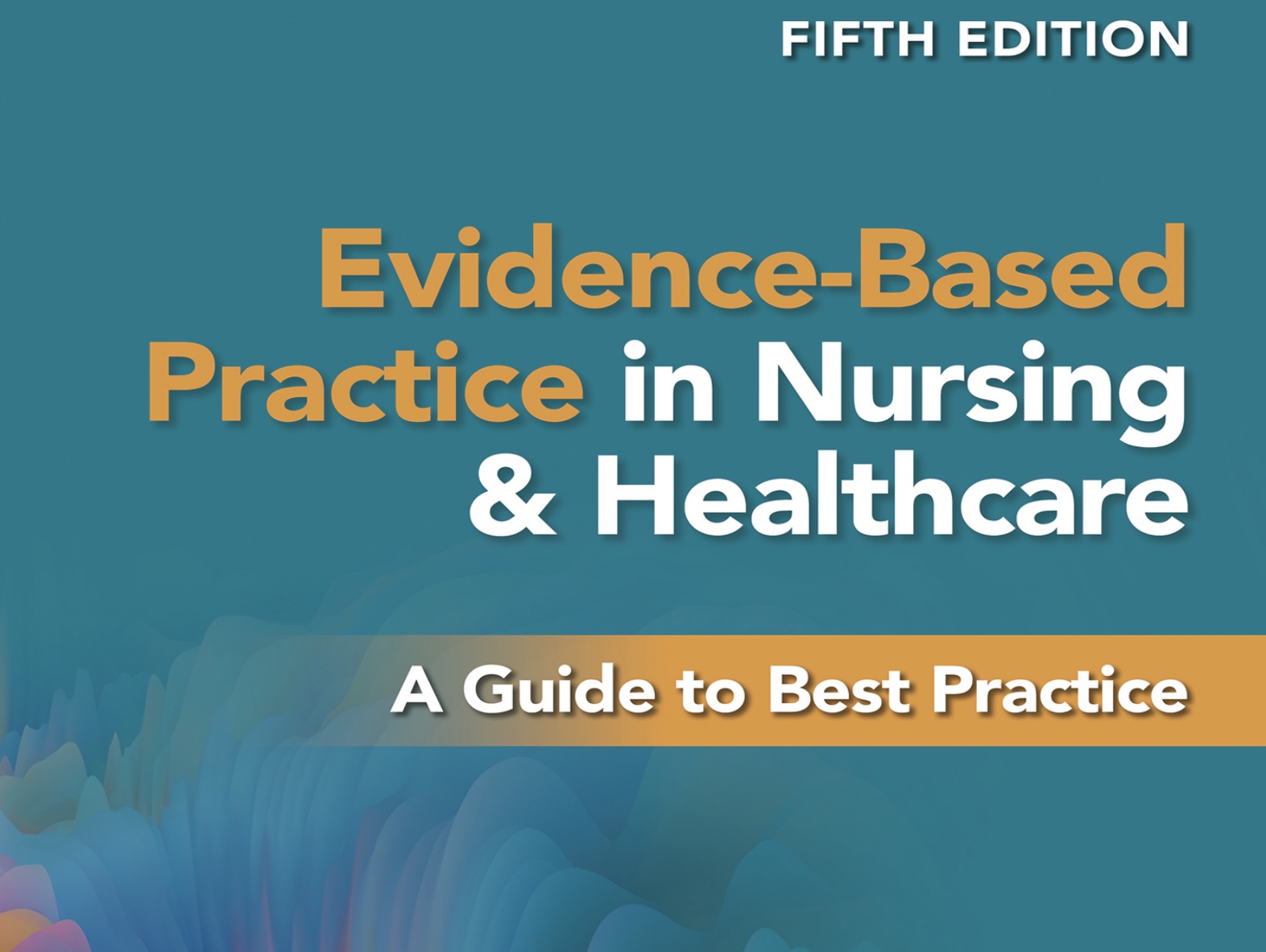
Course Textbook:
Program Session Dates
The program offers monthly asynchronous lectures (recorded) that may be completed at any time during the month and optional, live office hours. All office hours will be recorded and made available to course participants for later viewing.
Program Schedule:
Month 1: October: Patient Safety Science for Value Analysis Leaders
Month 2: November: Healthcare Quality Improvement and Value-Based Outcomes
Month 3: December: Healthcare Risk Management
Month 4: January: Infection Prevention and Control
Month 5: February: High Reliability Organizations and Human-Factors Engineering
Month 6: March: Change Management and Strategic Influence/Capstone Defense/Graduation
Continuing Education Accreditation
This program is accredited for 40.0 hours of continuing education credits for the following healthcare disciplines:
- Certified Value Analysis Healthcare Professionals
- Advanced Value Analysis Healthcare Professionals
- All AHVAP Certification Center Micro-credentials
- Certified Healthcare Risk Managers
- Certified Patient Safety Professionals
- Infection Preventionists
- Registered Nurses
Awarded Credentials:
Those successfully meeting all graduation requirements will receive:
- Digital Badge
- Digital Certificate of Completion Suitable for Framing
- Customizable Press Release
- 40 Hours of Continuing Education Credits
- Authorization to sit for the AHVAP Certification Center Evidence-Based Practice in Healthcare Value Analysis Specialist Certification Examination
Investment:
AHVAP Member: $1199 (Payment Plans available for 2/3-split or monthly payments, contact AHVAP HQ for enrollment)
Non-AHVAP Member: $1999
|